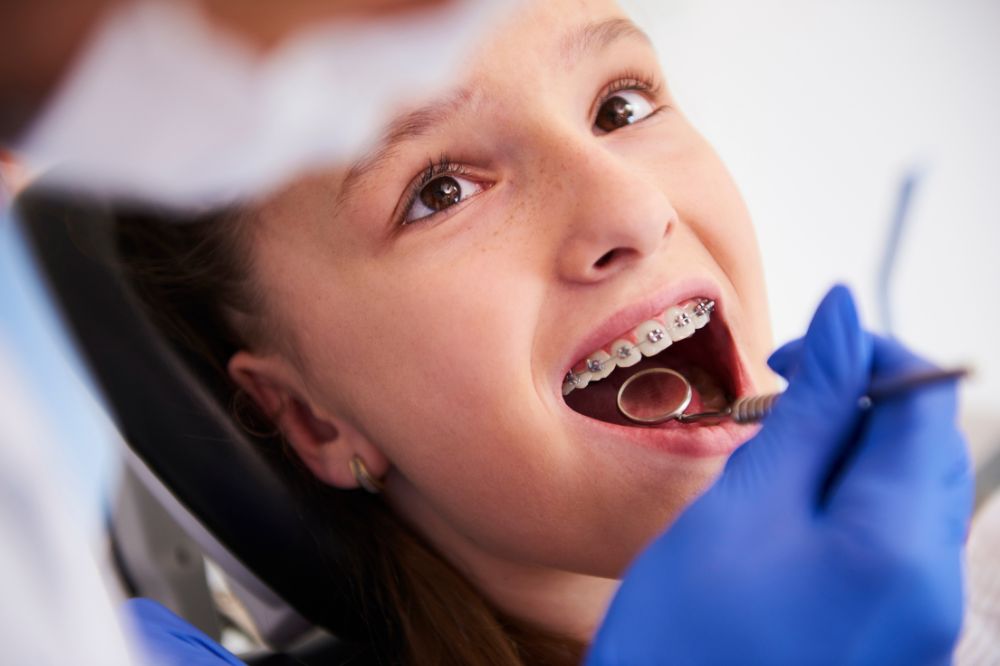
Braces do more than straighten crooked teeth. They can also help correct bite problems that may make chewing difficult or cleaning your teeth harder. When teeth overlap or sit too close together, plaque can build up in areas that are difficult to reach with a toothbrush. A dentist in Houston can check your teeth and bite to see whether orthodontic treatment may help protect your oral health. Braces cannot prevent every dental problem, but correcting certain alignment issues may make daily cleaning easier and help teeth meet more evenly when you bite. Treatment needs vary from person to person, so an examination is important before making a decision. The goal is not only a straighter smile, but also a bite that works well and teeth that are easier to care for.
How Can Braces Help Prevent Dental Problems?
Braces use gentle pressure to move teeth into better positions over time. When teeth are easier to clean and fit together more evenly, some oral health risks may be easier to manage.
Potential benefits include:
- Easier brushing and flossing: Straight teeth may be easier to clean, with fewer tight spaces where plaque can build up.
- Better bite: Fixing some bite problems may help spread the pressure of chewing more evenly across your teeth.
- Less uneven tooth wear: A better bite may reduce excessive wear on some teeth.
- Improved tooth position: Moving teeth that stick out or overlap may, in some cases, make them easier to protect from accidental knocks.
Braces do not replace brushing, flossing, or regular dental checkups. Cavities and gum disease can still develop during or after treatment.
Which Dental Problems May Orthodontic Treatment Help Address?
Crowded teeth, large gaps, overbites, underbites, and crossbites are common reasons for orthodontic care. These problems may affect how teeth meet, how you chew, or how easily you can clean certain areas.
Preventive orthodontic care in Houston may help children and adults with misaligned teeth. An early check can help find problems that may need treatment. However, not every child needs braces at a young age.
The right plan depends on the position of the teeth, jaw growth, gum health, and other dental needs.
Can Braces Protect Teeth From Future Damage?
In some cases, yes. Teeth that stick out may be more exposed to injury during sports or accidental falls. Moving them into a safer position may reduce this risk, although it cannot prevent every injury.
A better bite may reduce extra pressure on some teeth. However, braces cannot prevent teeth from cracking, wearing down, or getting cavities. You still need to brush and floss every day and visit your dentist regularly.
If you are considering treatment, a dental office near you can help assess whether alignment problems may affect your long-term dental health.
Can Braces Fix Jaw Pain or TMJ Problems?
Sometimes orthodontic treatment may help when a bite problem is part of the concern, but braces are not a reliable treatment for every jaw problem.
Jaw pain can have several causes, including muscle tension, teeth grinding, joint problems, or injury. A bite that looks uneven does not automatically mean it is causing the pain.
Before starting orthodontic treatment for jaw symptoms, seek an assessment to identify the likely cause. Treatment may involve self-care, a night guard, physical therapy, or other care depending on the problem. Braces should not be used as a guaranteed cure for TMJ disorders.
Are Adults Too Old for Braces?
No. Healthy teeth can often be moved at different ages, including adulthood. However, gum health, bone support, cavities, and existing dental work need to be considered before treatment.
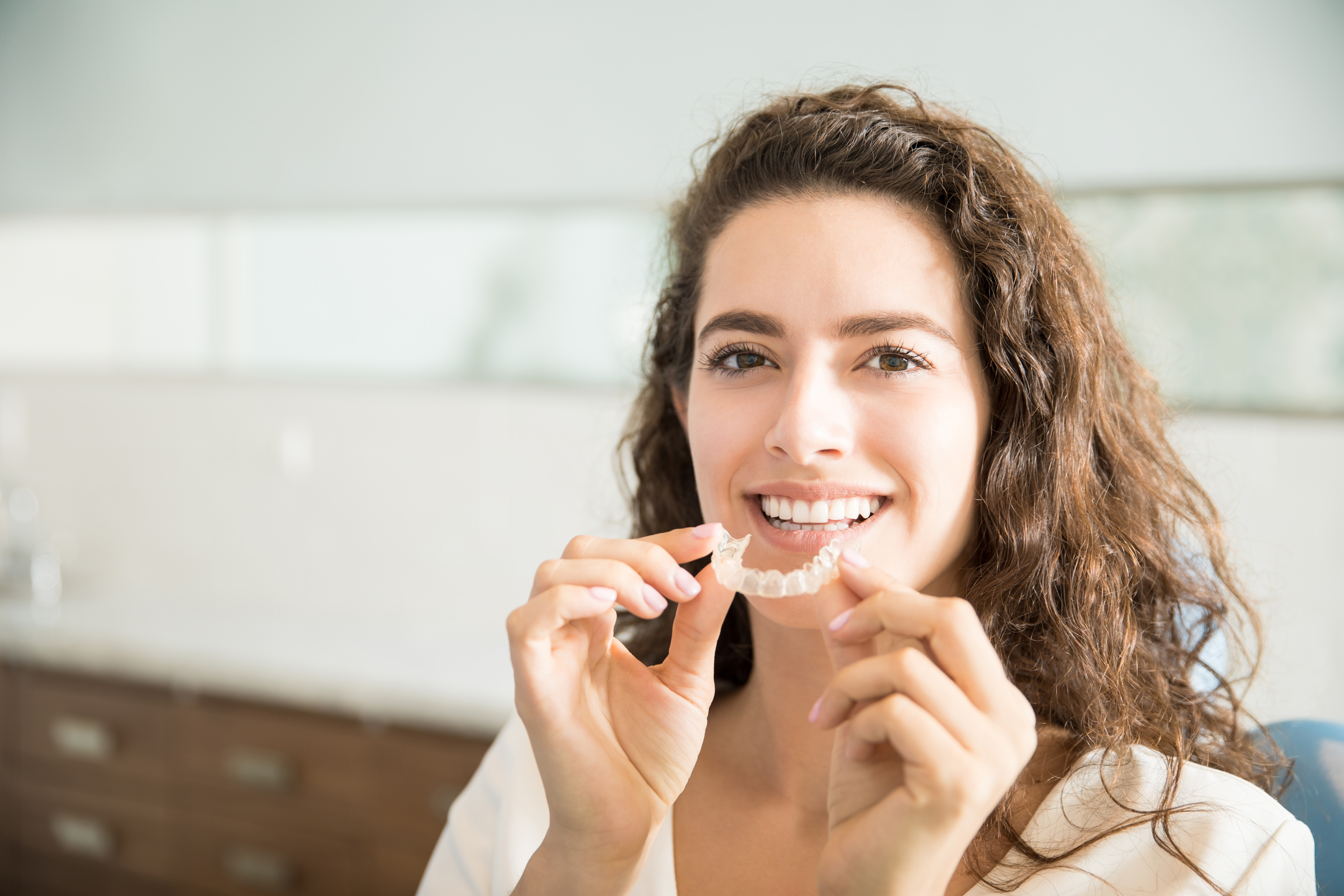
Adults can use braces or clear aligners to fix crowded teeth, gaps, or bite problems. Preventative orthodontic care near you may include checking how your teeth fit together and whether they are hard to clean, even if you start treatment as an adult.
How Can You Protect Your Teeth During and After Braces?
Orthodontic treatment works best when you keep your teeth and gums healthy throughout the process.
- Brush carefully around brackets and along the gumline twice a day.
- Clean between your teeth daily with dental floss or other suitable cleaning tools.
- Limit sugary snacks and drinks that increase the risk of cavities.
- Follow instructions about foods that may damage braces.
- Wear your retainer as directed after treatment to help keep teeth in their new positions.
A dentist in Houston can also help monitor your oral health while you undergo orthodontic care.
Take a Step Toward Better Dental Health!
Braces may improve tooth alignment, make cleaning easier, and help correct certain bite problems, but they cannot prevent every dental issue. Houston Uptown Dentists can assess your teeth and bite, explain whether orthodontic treatment may help, and discuss suitable options for your needs. Book an appointment to talk about your dental health and possible next steps.
FAQs
Can braces prevent cavities?
No. Braces cannot stop cavities. Straight teeth may be easier to clean, but cavities can still form. Brush and floss every day, and visit your dentist regularly to help prevent cavities.
Do all crowded teeth need braces?
No. Mild crowding may not need treatment if it does not affect oral health or function. An assessment can help determine whether braces may be useful.
Can braces prevent gum disease?
Braces do not directly prevent gum disease. Better tooth alignment may make cleaning easier, but plaque must still be removed regularly to keep gums healthy.
How long do braces usually take to work?
Treatment often takes one to three years, but the timeline depends on the amount of movement needed, the bite problem, and how well instructions are followed.