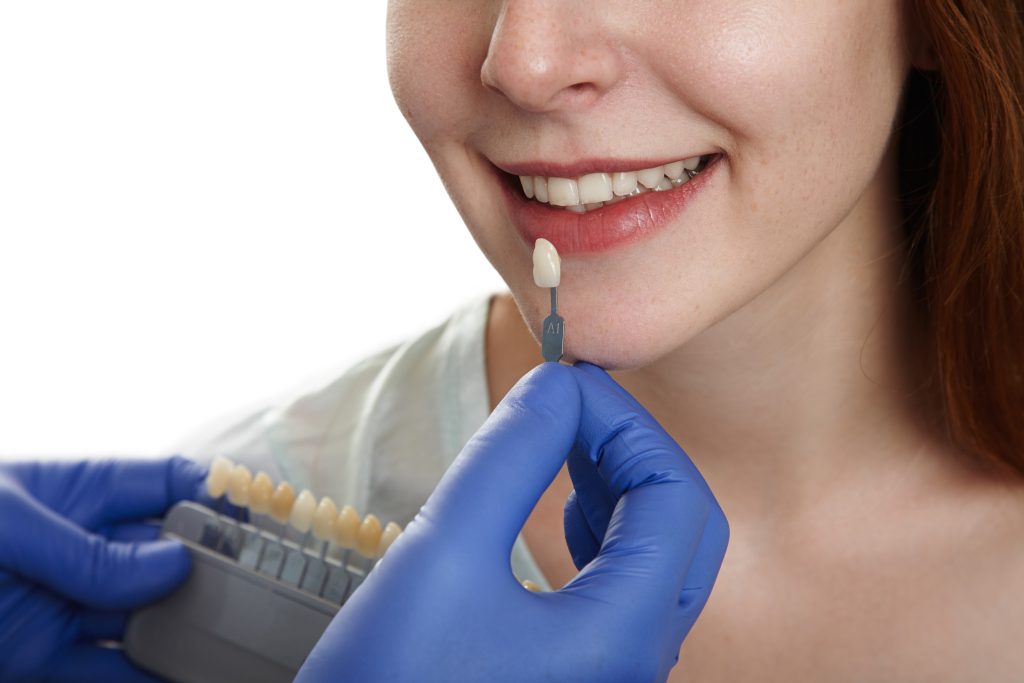
When your dentist places a new crown on your tooth, it might feel different from your natural teeth. You might notice the crown feels high when you bite down. It might feel rough or uncomfortable. You might be extra aware of it with your tongue. These feelings are common after crown placement. If you just got dental crowns in Houston, TX, know that many people experience similar sensations. Your mouth needs time to adjust to the new crown. In most cases, the strange feeling goes away within a few days or weeks. However, if the problem continues, you should call your dentist.
Why Does My Dental Crown Feel Different After Placement?
There are several reasons your new crown might feel odd. Your mouth has many nerve endings that sense texture and shape. A new crown is different from your natural tooth, so your mouth notices the change. This is similar to wearing new shoes. At first, they feel strange because your feet are not used to them. After a few days, they feel normal.
The crown might also feel different because your bite needs adjustment. Even a tiny difference in height can make your tooth feel high when you bite. A trusted dentist in Houston, TX will check your bite before you leave. But sometimes the bite needs small adjustments after you go home.
Is It Normal for a Crown to Feel Uncomfortable at First?
Yes, it is completely normal for a crown to feel uncomfortable at first. Your crown is a new object in your mouth, and your brain needs time to accept it. You might feel:
- Pressure or tightness around the tooth
- Slight soreness in the gum around the crown
- Awareness of the crown when you chew
- Sensitivity to hot or cold foods
- A rough edge where the crown meets your gum
Most of these feelings disappear within one to two weeks. Your mouth adapts quickly to new sensations. Do not worry if your new crown feels weird right now. This temporary discomfort is normal.
What to Do If a Dental Crown Feels Uneven or High
If your crown feels too high when you bite, this needs attention. A bite that is not correct can cause problems over time. Call your dentist at a dental office near you and ask for a bite adjustment. Your dentist uses special paper that marks high spots on your crown. Then they polish away these high spots carefully.
This is a quick and painless procedure. Your dentist will check your bite again after the adjustment. They might need to make small adjustments a few times to get it perfect. Do not wait if your bite feels wrong. The sooner you fix it, the better.
| Feeling After Crown Placement | Normal or Problem? | What to Do |
| Crown feels high when biting | Problem | Call dentist for bite adjustment |
| Slight pressure or soreness | Normal | Wait 1-2 weeks, use soft foods |
| Sensitivity to hot and cold | Normal | Use sensitivity toothpaste |
| Rough edge on crown | Problem | Call dentist to smooth it |
| Tongue rubbing on crown | Normal | This feeling usually goes away |
| Slight gum tenderness | Normal | Gentle brushing will help |
| Pain when chewing | Problem | Call dentist immediately |
| Crown feels loose | Problem | Call dentist right away |
When Should You Call Your Dentist?
Contact your dentist if you experience any of these situations:
You have severe pain that does not go away. Your crown feels loose or wiggles when you touch it. Your crown fell off completely. You cannot close your teeth together normally. The crown has a sharp edge cutting your tongue or cheek. Swelling appears around the crown. Your bite still feels wrong after two weeks.
These situations need professional attention. Your dentist can fix most problems quickly and easily.
Taking Care of Your New Crown While You Adjust
While you are getting used to your new crown, be gentle with it. Eat soft foods for the first few days. Avoid chewing hard candies, nuts, or sticky foods. Brush and floss gently around the crown area. The gum around your crown might be tender, so be extra careful when flossing.
Do not try to adjust or clean the crown yourself. Let your dentist handle any adjustments. Your mouth will feel better soon.
Your Crown Should Feel Natural Within a Few Weeks
Most people adapt to their new crown within two to four weeks. By then, the crown feels like a normal part of your mouth. You stop noticing it. Your bite feels right. Any soreness is gone. If your crown still feels wrong after a month, talk to your dentist again. Sometimes adjustments take more than one visit.
Getting Professional Help When You Need It
If you are concerned about how your crown feels, do not wait and worry. A trusted dentist can help. They have the experience and tools to make adjustments and solve problems. Your comfort matters, and your dentist wants you to be happy with your crown.
Take the Next Step Toward Comfort and Confidence by Visiting Houston Uptown Dentists
At Houston Uptown Dentists, we want your new crown to feel great because this is an important investment in your oral health. As your mouth acclimatizes, you may feel slight shifts that are not known to keep you uncomfortable for long. If anything but the positive signals makes you feel that it is something wrong or going on longer, then our team is here to help.
Houston Uptown Dentists knows you may have some concerns about crowns and will perform gentle and precise care with your comfort in mind. If you feel like your crown is off-balance or uncomfortable, please come to our adjustment appointment today.
Frequently Asked Questions
Q1: How long does it take to get used to a new crown?
Within two to four weeks, most people get used to a new crown as their mouth gets used to the new texture and shape.
Q2: Is sensitivity after crown placement normal?
Yes, it is normal to feel slight sensitivity to hot and cold after placement for a few days/weeks, but it will subside eventually.
Q3: Can a crown feel high if my bite is actually correct?
Yes, at times, a crown might just feel different because your mouth is adjusting, even when your dentist has adjusted the bite correctly.
Q4: What happens if my crown never feels comfortable?
If discomfort continues after several weeks, contact your dentist for evaluation—they may need to make adjustments or investigate other causes.